








How Profitable Is Injection Molding?

How profitable is injection molding? It’s a question asked by entrepreneurs, manufacturers, and curious engineers alike. Whether you’re considering starting your own production line or just exploring cost-effective ways to create custom parts, injection molding is often at the center of the conversation, and for good reason.

This process has been a go-to solution for decades across a range of different industries, from automotive to aerospace. When it comes to specialty seals and other precision components, injection molding offers not only precision and speed but also significant profit potential when executed correctly.

How Profitable Is Injection Molding?

At its core, injection molding is profitable because it allows you to produce large quantities of high-quality parts at a relatively low per-unit cost. While the up-front tooling investment can be substantial, that cost quickly diminishes over high-volume runs, where savings and efficiency skyrocket.

What this means is that, if you’re creating parts such as specialty seals, gaskets, or custom components, the ability to produce thousands (or even millions) of consistent, durable pieces can significantly improve your bottom line. With the advancement of automation and the use of advanced materials, the process continues to become faster and more cost-efficient.

So, is injection molding profitable? In a word: absolutely. However, the true answer depends on the volume, complexity, and how effectively you manage your materials and production processes.

Factors That Impact Profitability in Injection Molding

The profitability of your injection molding efforts isn’t just about making parts, but rather, about how smartly you set up the system. These are some of the key factors that make or break your margins:

Upfront Tooling Costs vs. Long-Term Savings

  • Mold creation can cost thousands, but it’s a one-time investment
  • The higher your production volume, the lower your cost per part
  • Complex designs require more intricate molds, raising startup costs

Material Selection Matters

  • Thermoplastics and elastomers come at different price points
  • Waste can be minimized with proper mold design and recycling practices
  • For specialty seals, material performance is key, offering higher cost, but higher reliability

Cycle Time and Automation

  • Faster cycle times = more parts per hour
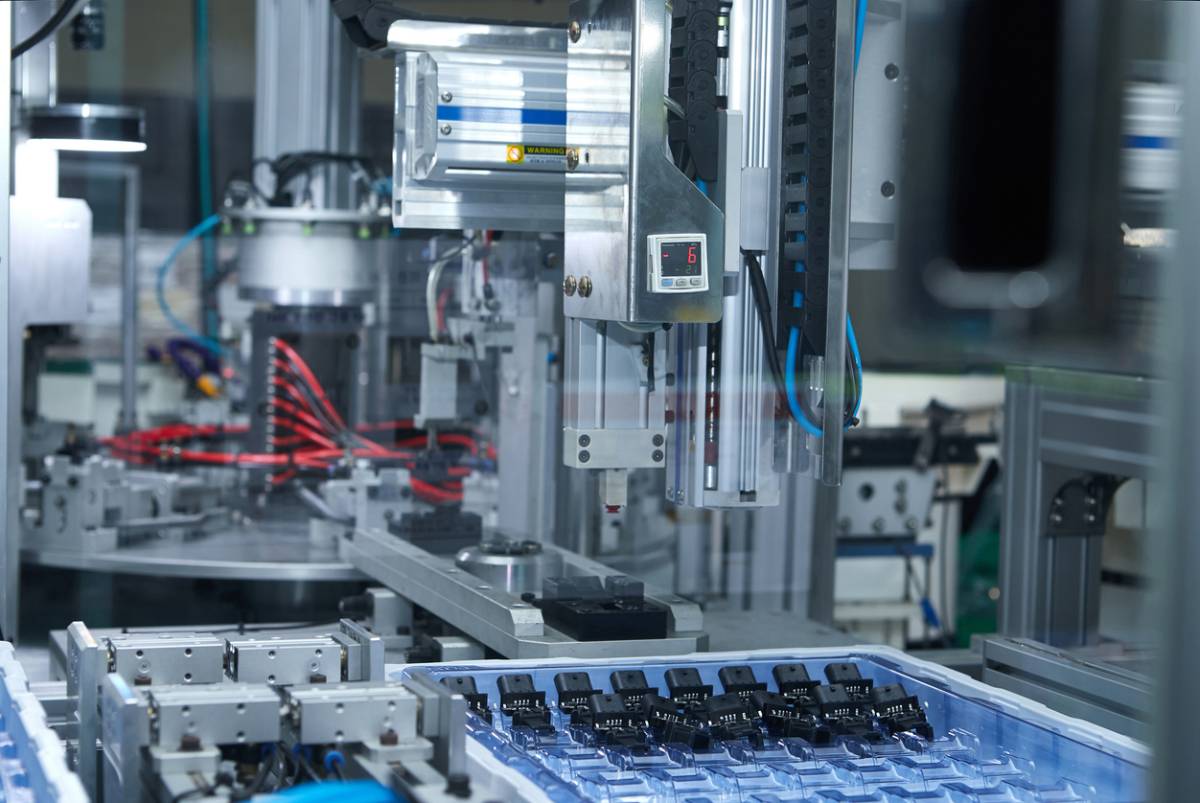
  • Robotic automation reduces labor costs and increases consistency
  • Efficient mold cooling and ejection systems improve throughput

Product Complexity and Tolerances

  • Simple shapes are faster and cheaper to produce
  • Tight tolerances (often needed for seals and aerospace parts) require extra precision
  • Higher precision often means higher quality and better profitability in niche markets

Is Injection Molding Right for Low-Volume Runs?

While high-volume production is where injection molding shines brightest, the game is changing. Thanks to rapid tooling, small-batch or custom-mold production is more accessible than ever. For businesses that require limited runs of specialty seals or unique designs, low-volume injection molding still offers:

  • Faster turnaround than traditional machining
  • High part consistency, even in small batches
  • The ability to test and tweak before full-scale production

It’s not just about mass production anymore—profitability can also come from precision, speed, and innovation.

Niche Applications Can Drive Higher Margins

One of the smartest ways to maximize profitability is by targeting specialized applications. At Real Seal, we’ve seen firsthand how custom-molded components—particularly specialty seals used in critical environments—can command higher margins due to their performance requirements and specialized materials.

Industries like medical, where sterility and precision are non-negotiable; aerospace, where extreme temperature and pressure resistance are crucial; and oil and gas, where seals are exposed to highly corrosive environments, all rely on expertly engineered molded parts that are difficult to replicate without precision tooling. That level of specialization not only adds value but also increases profitability.

Ready to Boost Profitability with Injection Molding?

If you’re looking to explore the full potential of injection molding for specialty seals or other custom components, contact Real Seal today. Our team is here to help you plan smarter, build better, and mold your way to greater profitability.

What Is the Injection Molding Process?

An injection molding machine

Injection molding is a fascinating procedure that can be useful for a variety of industrial processes. But what is the injection molding process? In short, it is the process of heating a thermoplastic polymer until it becomes liquid and injecting that liquid into a mold so the polymer will take on the mold’s shape. Injection molding is heralded for its versatility and use across many industries. If you would like to learn more about the popular manufacturing method and see how it could be helpful to you, continue reading to uncover more information about the injection molding process.

What Is Injection Molding?

Injection molding is a forming procedure that utilizes molds to create industrial parts. This process is used in a variety of industries. During injection molding, a heated substance is brought to a liquid form, injected into a given mold, and then left to cool. When the substance has cooled in the shape of the mold, it produces a specific industrial part. Injection molding is prized for its ability to produce a variety of different designs and products.

Injection molding machines are generally composed of four different parts, each of which is designed to handle a separate section of the injection molding process. The four sections of an injection molding machine are as follows:

  • Cylinder: The cylinder heats the material to be molded
  • Nozzle: The material is injected via this device
  • Hopper: This feeds the material into the mold
  • Mold: The material is poured into this cavity, which produces the final shape

What Is the Injection Molding Process?

The injection molding process follows several steps to its final stage of completion. Generally, the steps for the injection molding process run as follows:

  • Resin pellets or granules are poured into the hopper component of the injection mold machine.
  • The pellets are then heated and melted inside the cylinder in preparation for the injection molding process.
  • The material is then brought through a channel in the machine called the sprue and ultimately into the cavity that creates the mold.
  • The material cools and hardens into its final shape.
  • Excess material is trimmed from the part.

At this stage, the final product of the injection molding process should be available. This procedure is suitable for creating a number of shapes and devices used in industrial processes.

Advantages of Injection Molding

Several advantages come with using injection molding for industrial design, including:

  • Very low amounts of waste material
  • Low overhead labor costs
  • High color and shape control
  • Easy production of complex shapes
  • Little post-production finishing required

Many businesses use injection molding as an essential component of their manufacturing processes. You can consult with an expert to see if they believe injection molding is well-suited to your situation.

Disadvantages of Injection Molding

There are some disadvantages that come with the injection molding process, such as:

  • Set-up costs are high.
  • The process may not be appropriate in situations where only a few pieces of equipment need to be produced.
  • There are some restrictions and limitations in terms of what kinds of parts can be produced.
  • There can be long set-up times for establishing the molds you are going to use.

Is Injection Molding Right for Me?

It pays to take some time to determine whether using injection molding will be appropriate for your particular situation, as this can help you avoid spending resources on processes that injection molding is ultimately not appropriate for.

Consider the following when trying to determine if injection molding is the appropriate path forward for your project.

  • Production quantity: Injection molding is most appropriate in situations where mass production of similar parts is called for.
  • Financial: Considering whether the financial cost of setting up injection molding will be offset by the ability to mass-produce parts.
  • Design: The overhead cost and overall complexity of the project can be more easily executed if a simple design is used.

Consulting with an expert can help you determine whether or not injection molding is the right tool for your business or project. This can also help you avoid missteps if you are new to this process.

Your Stop for Industrial Advice

Real Seal is a trusted consultant for industries and businesses across the country. If you are interested in utilizing injection molding or learning more about sealing products, contact us today to discuss.