












Rubber components, such as seals, gaskets, O-rings, hoses, and bushings, and specialty seals perform critical functions in machinery, vehicles, and equipment. The problem is that, although they are flexible and resilient, rubber parts are among the first to fail, resulting in costly downtime, repairs, and replacements. Businesses need to understand why rubber parts wear out and how to prevent early failure to avoid these problems.
Why Rubber Parts Wear Out and How to Prevent Early Failure
1. Heat and Thermal Degradation
Rubber is highly sensitive to temperature. Rubber hardens, cracks, or loses elasticity when it is exposed to heat for a long time. Heat accelerates the chemical reactions within the rubber and breaks down its polymer structure. This is one of the most common causes of failure in engines and industrial machines.
2. Oxidation and Ozone Exposure
Oxygen and ozone in the air can attack rubber over time in a process known as oxidation. This leads to brittleness and surface cracking. Ozone can cause fine cracks that grow deeper with stress.
3. UV Radiation
Sunlight is another problem. UV rays break down rubber at the molecular level. This leads to fading, hardening, and eventual cracking. Outdoor equipment and materials are particularly vulnerable to this problem.
4. Chemical Exposure
Rubber is not universally resistant to all chemicals. Swelling, degradation, or softening can happen due to oils, fuels, solvents, acids, and cleansing agents. The wrong type of rubber, when used in a specific chemical environment, can shorten its lifespan.
5. Mechanical Stress and Wear
Constant friction, pressure, and stretching can cause rubber to wear over time. When seals are repeatedly compressed or hoses continuously vibrate, they may lose their shape or develop leaks. Abrasion can also occur when they come in contact with other surfaces. This can wear rubber down.
6. Poor Storage Conditions
Deterioration can occur even for unused rubber parts when they are not properly stored. Exposure to light, heat, and humidity can cause premature aging. When parts are stored in an open or uncontrolled environment, they can fail before they are even installed.
7. Inferior Material Quality
Not all rubber is created equal. Some use low-quality materials, or poorly manufactured parts may lack the additives needed to resist heat, UV, or chemicals. This causes rubber to degrade more quickly, potentially leading to inconsistent performance.
How to Prevent Early Failure
1. Choose the Right Rubber Material
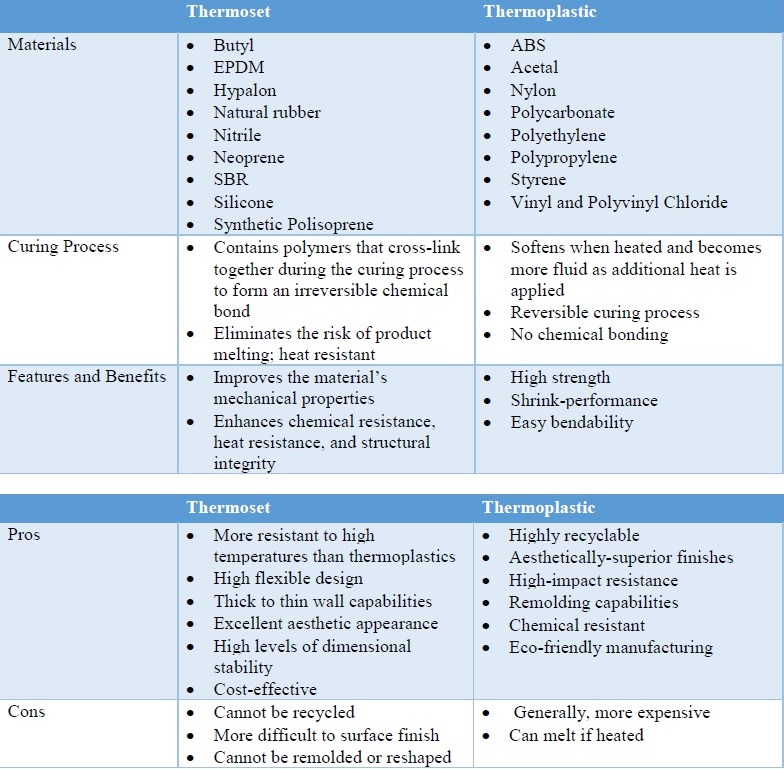
Different types of rubber are required for different types of applications. For example, nitrile rubber is better for oil resistance, while EPDM performs well outdoors or in UV-exposed environments. To prevent failure, start by choosing the right rubber material for the job.
2. Control Operating Temperatures
Keeping rubber components within their required temperature range is crucial. Insulation, shielding, or cooling systems reduce heat exposure. Even just a small reduction in temperature can help prolong the life of a rubber part.
3. Protect Against the UV or Ozone
Consider protective coatings, covers, or UV-resistant materials. You may also minimize exposure to light and air by storing spare parts in dark, sealed containers.
4. Minimize Chemical Contact
Ensure rubber is compatible with any chemicals it may encounter. Sometimes, exposure is unavoidable. In these cases, choose a rubber compound specifically designed to resist those substances. Regular cleaning with appropriate agents can help you avoid the buildup that accelerates degradation.
5. Reduce Mechanical Stress
Ensure that the rubber part is properly installed and aligned. Avoid over-tightening, excessive stretching, or misalignment as they put unnecessary strain on rubber parts. Reduce friction and wear whenever appropriate by using a lubricant.
6. Follow Proper Storage Practices
Rubber components need a cool, dark, and dry environment. Keep them away from direct sunlight, ozone surface, and fluctuating temperatures. Keep them in sealed packaging until it is time to use them.
7. Inspect and Replace Proactively
Catch any signs of wear, like cracks, hardening, or deformation, by doing a routine inspection. Replace parts that need replacing even before they fail to avoid unexpected breakdowns and protect surrounding components from damage.
At Real Seal, we understand that durability is not an option. It is a requirement. With our engineered rubber components, you can be assured of strength and consistent performance over time. Whether you need custom solutions or high-quality replacements, contact us today so we can help you choose the right materials and specifications for your operations.