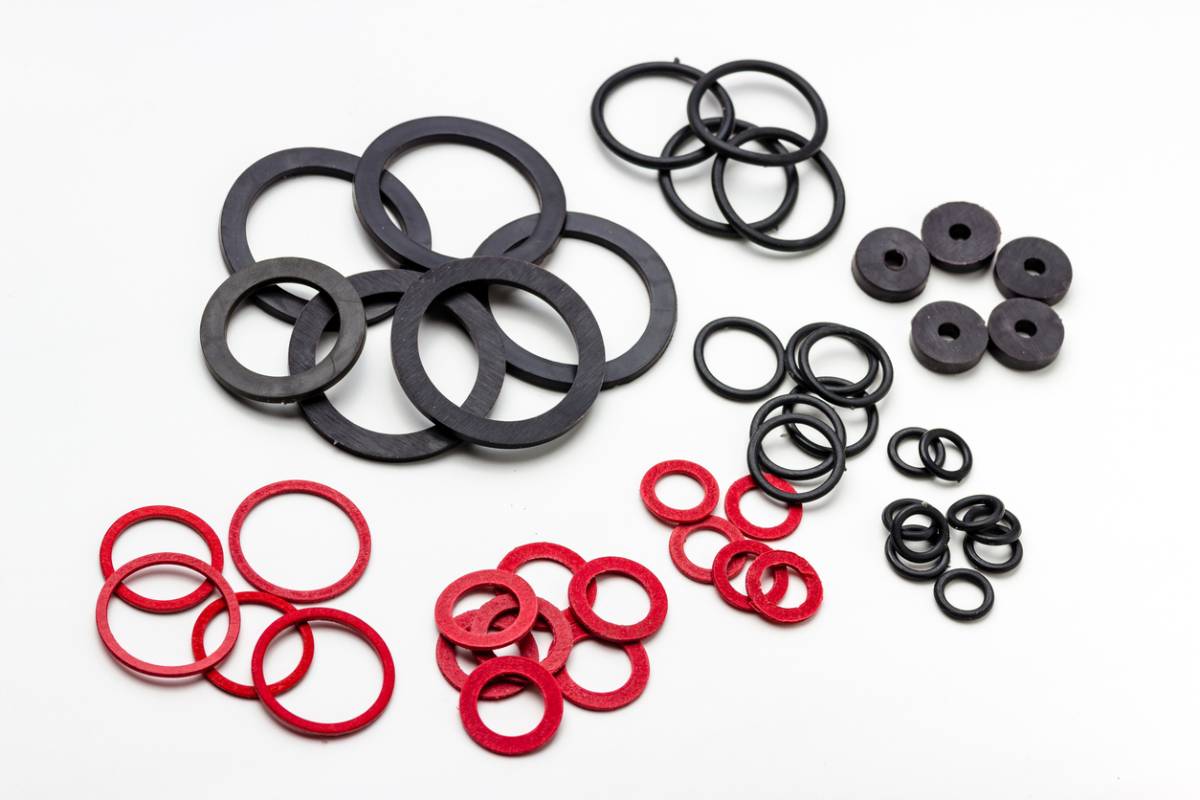
Industrial machinery relies on countless components working in harmony to maintain optimal performance and safety. Among these critical parts, specialty seals and engineered thermoplastic mechanical components play significant roles in containing fluids, preventing contamination, and maintaining system pressure. When these seals begin to fail, they send warning signals that operators and maintenance teams must recognize quickly. Early detection of seal failure prevents catastrophic equipment damage, reduces downtime, and protects worker safety.
Visual Fluid Leak
The most apparent indicator of seal failure appears as visible fluid around the seal area. Small droplets forming along shaft exits or housing joints suggest the seal no longer maintains proper contact with mating surfaces. Fresh fluid accumulation indicates active leaking, while dried residue shows intermittent or past leakage that may worsen over time.
Vibration and Performance Changes
High vibration levels frequently accompany seal deterioration. Imbalances are created when mechanical components become damaged or wear unevenly. Vibration monitoring systems detect these changes through special components mounted near critical seals. Poor equipment performance is often an indication of seal failure. Pumps may lose pressure as seals allow internal leakage between stages. Hydraulic cylinders move more slowly or lose position-holding capability when seals leak. Failing seals create additional drag, causing motors to burn more power. These performance changes may be difficult to notice without baseline measurements for comparison, as changes often appear gradually.
Degradation of Material
Physical inspection of seals during maintenance can reveal the condition of the material. Hardening indicates that seal materials have lost important properties due to heat, chemical exposure, or age. This hardening reduces the seal’s ability to conform to surface irregularities, allowing the development of leakage paths. Typically, fine lines of cracking begin where stress concentrations exist. This cracking can appear due to thermal cycling, ozone exposure, and chemical incompatibility. Specialty seals are designed to withstand the demanding environments that cause other materials to degrade.
Evidence of Contamination
Foreign material around seals indicates they are no longer doing their job effectively. The accumulation of dirt, dust, or debris is evidence that they have lost their ability to prevent contamination. This contamination eventually reaches internal components, accelerating wear throughout the system. Always be observing for discolored fluid and water in oil-based systems. These issues point to failing seals.
Pressure Loss
Any sign of pressure change could indicate a failing seal. Some systems incorporate sensors that continuously monitor sealed cavities. Deviations from standard pressure patterns trigger alarms before complete seal failure occurs. These systems minimize unplanned downtime by scheduling seal replacement during convenient maintenance windows.
Installation
Not all seal issues are the result of wear or age. Improper installation creates failure symptoms that appear indicative of normal wearout. Careless installation can cause twisted seals and damaged seal lips. Scratches to the shafts, acquired during installation, can create leak paths regardless of seal replacement. Some design flaws can create symptoms that mimic the signs of a seal failure. If maintenance logs show repeated seal replacements in the same areas, it’s worth investigating further. Consider upgrading to specialty seals designed to withstand the operating conditions for the job.
Preventative Measures and Monitoring
Implementing seal monitoring programs catches problems early. Scheduled visual inspections during routine maintenance can help identify developing issues. Keeping a detailed record of observations creates trend data showing gradual deterioration. You can extend the life of your seals with proper lubrication to prevent dry running. Additionally, maintaining appropriate temperatures, controlling contamination, and checking chemical compatibility between seals and system fluids are effective ways to maximize the performance of your seals.
Recognizing the signs of seal failure allows for proactive maintenance that prevents costly equipment damage and unplanned downtime. Regular inspection programs, proper installation practices, and selecting the correct specialty seals for each application create reliability.
CTA: Tired of seals wearing out so fast? You might be in need of specialty seals. Get in touch today.
Your phone case, the pen you’ve clicked three times in your hand, even the wrapper from that snack you swore you weren’t going to cave to. It is everywhere, but rarely does anyone stop to ask how it actually gets made. It is a surprisingly detailed process, and it shapes everything from water bottles to specialty seals used in heavy machinery and thermoplastic mechanical components.
Raw Materials
Most plastics begin with oil or natural gas pulled from deep underground. These fuels aren’t just burned for energy. They are broken down and refined into lighter parts that serve as the starting point for plastic. Petroleum-based plastics still dominate the market, but some companies are pushing plant-based plastics for a greener approach.
Building a Foundation
This stage of plastic production is similar to that unit in science class you took about how atoms bond together to form molecules. This differs in that it happens on an industrial scale with large equipment running around the clock. After oil or natural gas goes through refining, it is broken down into smaller, simpler molecules called monomers.
Two key players in this process are the monomers ethylene and propylene. They act as the raw building blocks for a large range of plastics. Independently, they may seem unimpressive. They lack the strength or shape you’d expect from something like a plastic bottle or car bumper. However, once these monomers undergo further processing, they can link together in repeating chains. The chains become polymers, and that’s when the material begins to take the strength and versatility recognized in plastic products.
Polymerization
This is the stage where joining takes place, the heart of plastic production. Different polymers are used to make different products:
Polyethylene is what grocery bags and film wrap are composed of.
Polypropylene can be found in food containers, medical devices, and engineered thermoplastic mechanical components.
Polystyrene, though a less popular option available, is used in manufacturing, packaging, and insulation.
Manufacturers perform controlled chemical reactions to lock these chains together. The end result is exceptionally different than the gas or oil that it began as.
The Extras
This is the part of the operation where characterizations become more distinct through additives. Additives take the form of raw plastic pellets called resins. These raw pellets do not perform well on their own. To get the final product, manufacturers combine them with additives:
Colorants: Change appearance.
Plasticizers: Make rigid plastics flexible.
Stabilizers: Help resist heat or UV light.
That’s the reason your water bottle feels different from your phone case. Each batch is curated to yield a specific, predetermined result. For example, specialty seals demand plastics that won’t wear down under heat or pressure, just like your pop bottle needs to hold carbonation without leaking.
Shaping the Plastic
Once pellets and additives have been determined and are ready, they are heated and molded into their desired shape. This can be accomplished in a handful of different ways:
Extrusion: typically used to make pipes or straws, the melted plastic is pushed through a mold.
Injection molding: plastic is heated in the hopper of the press, then injected into a mold, and then cooled. This method is generally used for making toys, bottle caps, or automobile parts like coolant fans.
Blow molding: utilizes air pressure to form hollow shapes like your water bottle.
Coming Together
Plastic passes through stages, from cornfields to resin, until it lands in your hands. Beginning as raw fuels, then monomers, then polymers, additives, and shaping. This chain is the process by which plastic is created.
If you take a minute to look around the room right now, you are sure to find more plastic than you realized. Plastic is an important part of daily life, and the process from which it is made is interesting.
Learn how thermoplastic components can outlast the roughest conditions. Contact us today!
How profitable is injection molding? It’s a question asked by entrepreneurs, manufacturers, and curious engineers alike. Whether you’re considering starting your own production line or just exploring cost-effective ways to create custom parts, injection molding is often at the center of the conversation, and for good reason.
This process has been a go-to solution for decades across a range of different industries, from automotive to aerospace. When it comes to specialty seals and other precision components, injection molding offers not only precision and speed but also significant profit potential when executed correctly.
How Profitable Is Injection Molding?
At its core, injection molding is profitable because it allows you to produce large quantities of high-quality parts at a relatively low per-unit cost. While the up-front tooling investment can be substantial, that cost quickly diminishes over high-volume runs, where savings and efficiency skyrocket.
What this means is that, if you’re creating parts such as specialty seals, gaskets, or custom components, the ability to produce thousands (or even millions) of consistent, durable pieces can significantly improve your bottom line. With the advancement of automation and the use of advanced materials, the process continues to become faster and more cost-efficient.
So, is injection molding profitable? In a word: absolutely. However, the true answer depends on the volume, complexity, and how effectively you manage your materials and production processes.
Factors That Impact Profitability in Injection Molding
The profitability of your injection molding efforts isn’t just about making parts, but rather, about how smartly you set up the system. These are some of the key factors that make or break your margins:
Upfront Tooling Costs vs. Long-Term Savings
Mold creation can cost thousands, but it’s a one-time investment
The higher your production volume, the lower your cost per part
Complex designs require more intricate molds, raising startup costs
Material Selection Matters
Thermoplastics and elastomers come at different price points
Waste can be minimized with proper mold design and recycling practices
For specialty seals, material performance is key, offering higher cost, but higher reliability
Cycle Time and Automation
Faster cycle times = more parts per hour
Robotic automation reduces labor costs and increases consistency
Efficient mold cooling and ejection systems improve throughput
Product Complexity and Tolerances
Simple shapes are faster and cheaper to produce
Tight tolerances (often needed for seals and aerospace parts) require extra precision
Higher precision often means higher quality and better profitability in niche markets
Is Injection Molding Right for Low-Volume Runs?
While high-volume production is where injection molding shines brightest, the game is changing. Thanks to rapid tooling, small-batch or custom-mold production is more accessible than ever. For businesses that require limited runs of specialty seals or unique designs, low-volume injection molding still offers:
Faster turnaround than traditional machining
High part consistency, even in small batches
The ability to test and tweak before full-scale production
It’s not just about mass production anymore—profitability can also come from precision, speed, and innovation.
Niche Applications Can Drive Higher Margins
One of the smartest ways to maximize profitability is by targeting specialized applications. At Real Seal, we’ve seen firsthand how custom-molded components—particularly specialty seals used in critical environments—can command higher margins due to their performance requirements and specialized materials.
Industries like medical, where sterility and precision are non-negotiable; aerospace, where extreme temperature and pressure resistance are crucial; and oil and gas, where seals are exposed to highly corrosive environments, all rely on expertly engineered molded parts that are difficult to replicate without precision tooling. That level of specialization not only adds value but also increases profitability.
Ready to Boost Profitability with Injection Molding?
If you’re looking to explore the full potential of injection molding for specialty seals or other custom components, contact Real Seal today. Our team is here to help you plan smarter, build better, and mold your way to greater profitability.
In recent years, the industrial landscape has undergone a rapid evolution to accommodate not only performance and efficiency but also environmental responsibility. In particular, the seal manufacturing industry, which has long been associated with high precision, durability, and specialized materials, has been working to meet the increasing demand for greener spaces. Specialty seals, for instance, which are known for their ability to withstand extreme conditions, play an important role in different industries such as pharmaceuticals, automotive, oil and gas, and aerospace. As the demand for these products rises, manufacturers are also trying to figure out how seals can be more sustainable without compromising quality and performance. Are recycling and sustainability in seal manufacturing possible?
Recycling and Sustainability in Seal Manufacturing
Traditionally, seal manufacturing involves the use of high-performance polymers, rubbers, and metals. These materials are often resistant to pressure, chemicals, and temperature. However, they are also often non-biodegradable and require considerable energy to manufacture. Waste generation, volatile organic compounds, emissions, and the environmental impact of sourcing raw materials are some of the common problems in the industry.
Sustainable Materials and Eco-Friendly Alternatives
One of the most important developments in sustainable seal production is the development of eco-friendly materials. Manufacturers continue to experiment with recycled elastomers, thermoplastics, and bio-based polymers. Alternatives like these reduce dependence on virgin fossil-based resources while maintaining a decreased overall carbon footprint for the final product.
For instance, some companies have begun using processed fluorocarbon materials in O-rings and gaskets, which maintain high chemical resistance while minimizing environmental impact. There is no problem with specialty seals made from recycled or renewable materials, as they still meet rigorous industry standards. This demonstrates that quality performance and sustainability can coexist.
Closed Loop Manufacturing Systems
The adoption of a closed-loop system is a promising initiative in sustainable seal manufacturing.
This process involves collecting and reprocessing production scrap, trimmings, and defective parts. These are then reintegrated into the manufacturing process. This results in the reduction of waste sent to landfills and the decrease in the need for new raw materials.
Some manufacturers work with clients to collect used seals for recycling or safe disposal. This prolongs the life cycle of the materials and promotes a circular economy.
Energy Efficiency and Reduced Emissions
When it comes to seal manufacturing, sustainability is not just about materials. It is also about energy. Companies are retrofitting their production lines with energy-efficient machinery. Additionally, they employ lean manufacturing techniques to reduce energy consumption. Processes such as curing and molding also help reduce greenhouse gas emissions and shorten production times.
The use of water-based lubricants and cleaning agents minimizes the release of VOCs during the manufacturing process.
Digital Innovation and Sustainable Design
Advanced simulation tools and computer-aided design (CAD) allow for the optimization of seal geometry and material use before actual production. As a result, there is less prototyping, fewer material trials, and reduced waste.
Educating Clients
Sustainability in seal manufacturing requires transparency and collaboration with suppliers to ensure that they purchase raw materials that meet sustainability standards. Clients should also be educated about the benefits of using recycled or sustainable seals. It is important to find ways to encourage their participation in product return and recycling programs.
Explore Your Seal Options Today
Environmental concerns continue to rise. This has led industries that rely on high-performance components, such as specialty seals, to be more responsible in the way they innovate. From energy-efficient production and circular supply chains to digital optimization, the seal manufacturing industry is embracing sustainable practices without ever sacrificing function or quality. Even in the applications that necessitate durable thermoset rubber materials, manufacturers are exploring more sustainable options when it comes to production and end-of-life.
If you are looking for high-performance seals that are engineered to meet the highest industry standards, check out our website today.
If someone ever tells you that your car has a blown head gasket, you might have a real problem. Although it may be a tiny component compared to the entire engine, a faulty head gasket can cause costly and serious problems if not properly addressed. Unfortunately, a head gasket, like other specialty seals, is one of the most overlooked parts of an engine. But what is a head gasket, and why is it so important to your vehicle?
What Is a Head Gasket?
A head gasket is a thin mechanical seal located between the engine block and the cylinder head in an internal combustion engine. The engine block and the cylinder head contain crucial components. The former keeps the cylinders and pistons, while the latter houses the valves and spark plugs.
They sometimes look like a simple piece of gasket material. Typically, they are made from multilayered steel, composite, or copper and play a crucial role in maintaining pressure and preventing leaks.
Its main role is to seal:
The Combustion Chamber, which allows the engine to build proper compression for efficient ignition.
The Coolant Passages, which ensures that the coolant flows properly without entering the combustion chamber or oil lines.
The Oil Passages, which, when sealed, prevent oil from leaking or mixing with coolant
Importance of High-Quality Head Gaskets
Head gaskets operate in extreme conditions—high temperature, intense pressure, and constant vibration. This is why head gaskets must be made of durable, heat-resistant materials. A low-quality head gasket or an improper fit can result in catastrophic engine failure.
If you are searching for industrial-grade seal products or OEM-grade gaskets, paying attention to the materials and manufacturing materials is something that should not be overlooked. It is crucial to look for:
Multi-layer steel (MLS) construction for modern engines
Graphite composite gasket for older models or specific use cases
Copper gaskets for racing or high-performance engines.
Common Causes of Head Gasket Failure
Head gaskets are designed to last, but various factors can cause them to fail.
Overheating: This is a very common cause. Excessive engine heat can cause metal components to warp and compromise the gasket seal.
Incorrect Installation: When the gasket is incorrectly installed, improperly torqued, or misaligned, it can lead to premature failure.
Material Fatigue: Even high-quality gaskets can wear out over time, especially in high-mileage engines.
Signs that Your Head Gasket Is Failing
Coolant burning in the combustion chamber can be observed through white smoke coming from the exhaust
Milky oil, which results from the coolant mixing with oil
Engine overheating
Bubbling in the radiator
Loss of engine power
These signs are usually symptoms of a blown head gasket. When this happens, the seal between combustion and fluid systems is compromised. You should never ignore these signs.
The Cost of Failure and the Value of Quality
If it’s your first time replacing your head gasket, you may be surprised to learn that it’s not an inexpensive task. This job requires engine disassembly, which makes the labor costly. For this reason, prevention, quality components, and dependable sealing products are of top importance. When shopping for a gasket, always consider:
Quality
Proper fitment
Manufacturer compatibility.
Remember that replacing a seal involves more than just getting a new one to replace the old one. It is about ensuring that the entire engine functions efficiently and safely.
Choosing the Right Gasket for the Job
A wide range of engine gasket products is available on the market today. This includes premium-grade head gaskets designed for durability, high-temperature resistance, and perfect sealing under pressure.
High-quality gaskets often utilize advanced materials, such as thermoset rubber, which maintain their integrity under extreme thermal and mechanical stress.
When replacing a gasket, consult your vehicle’s service manual and contact a trusted supplier to ensure you obtain the correct product for your specific application. Remember that the quality of your head gasket plays an important role in the performance of your engine.
Ready to Upgrade Your Head Gasket?
If you need to replace or upgrade your head gasket, visit our website to explore our selection of high-quality gaskets and sealing solutions, specifically designed for various engine types. Find the right fit for your vehicle today and ensure that your engine runs smoothly, efficiently, and reliably.
When it comes to sealing problem solutions, whether for machinery, plumbing, or industrial applications, gaskets and O-rings are the two most common components. They serve similar functions, so people looking for sealing solutions commonly ask: Are gaskets and O-rings the same? The simple answer to that question is no. These components, along with other specialty seals, play crucial individual roles in ensuring that systems work efficiently. If you are looking for a sealing solution, you need to understand the differences between gaskets and O-rings before you can choose the right solution for your specific application.
Are Gaskets and O-Rings the Same?
What Are Gaskets?
A gasket is a material that cannot be deformed and is used in many applications, such as vehicles, piping, and industrial equipment, to seal the space between two or flat surfaces to ensure that there will be no leakage of fluid or gas.
Common Materials Used in Gaskets
The materials used in gaskets depend on the application and the type of gases and fluids they need to seal.
Rubber (EFPDM, Nitrile, Neoprene, Silicone): Flexible materials that are resistant to oils and chemicals
Metal (Copper, Aluminum, Stainless Steel, Copper): This material is used in high-pressure and high-temperature applications
Graphite: This material is the best choice for high-temperature applications and chemical resistance.
PTFE (Teflon): This can resist high temperatures and a wide range of chemicals
Cork and Felt: These materials can be used in low-temperature applications and for noise reduction
What Are O-Rings
These are circular seals, shaped like donuts, which you can find sitting in a groove and compress between two surfaces to prevent fluids or gas leakage. While gaskets are usually flat, O-rings provide a three-dimensional sealing solution. This makes them ideal for dynamic applications like hydraulic and pneumatic systems.
Common Materials Used in O-Rings
O-rings are made from elastomeric materials that keep them flexible and enable them to create a secure seal.
Nitrile Rubber (NBR): This is a type of rubber that is resistant to oils, fuels, and hydraulic fluids.
Silicone: This is suitable for high-temperature and food-grade uses
Viton (Fluorocarbon Rubber): This is your best option if you need something resistant to chemicals and extreme situations
EFDM: This is a type of material that is ideal for water or steam applications
Polyurethane: Choose this if you need something strong, durable, and high-wear resistant
Key Differences Between Gaskets and O-Rings
Although both gaskets and O-rings are used for sealing, here is where they are different:
Shape and Design
They can come in square, circular, or custom-cut designs.
O-rings are circular and are designed to fit into grooves to form a seal.
Applications
Gaskets are normally used in static applications when two flat surfaces need to be sealed.
O-rings may be used in both dynamic and static applications like pressure valves, rotating shafts, and hydraulic pistons.
Sealing Mechanism
Gaskets generally rely on surface pressure and compression between two mating surfaces to create a seal.
O-rings deform under pressure within a groove to keep something sealed and prevent leaks.
Material
Gaskets are available in different materials like composites and metal.
O-rings are primarily made of rubber and elastomeric materials.
Choose the Right Seal
Selecting the right sealing solution requires different considerations, such as the type of fluid being sealed or the type of gas being sealed, temperature conditions, pressure levels, and even if the application involves movement. If you need to seal two flat surfaces, choose a gasket, but if movement is involved, the O-ring is preferred. If you need more information or guidance, our staff will be more than pleased to discuss the solution to your problem. Give us a call today.
Rubber O-rings are used in a wide variety of sealing applications, ranging from plumbing to machinery. They are so widely used because they are essential components that prevent leaks. Unfortunately, natural wear and tear will expand O-rings over time. Poorly sized O-rings can impact the function of certain technologies. Below, you will find how to shrink a rubber O-ring so you can extend the function of your devices.
How to Shrink a Rubber O-Ring
Rubber O-rings are seals made from a number of different materials. Commonly, they are composed of materials like silicone or nitrile, but a number of other materials can serve the purpose. In any case, the materials used to create O-rings are flexible, durable, and resistant to pressure and drastic temperatures. Nevertheless, natural wear and tear and extreme conditions can cause O-rings to expand and impact their usefulness. You can shrink rubber O-rings to restore optimal function.
Chemical Method
Specific chemicals can shrink an O-ring to restore its original size. While not a permanent solution, chemicals can temporarily shrink the O-ring. To do this, you must find a compatible solvent or chemical that will not degrade the O-ring material.
When you find your solvent and begin to soak the O-ring, be sure to keep an eye on it, as some chemicals can work quickly. Once the O-ring has reached the ideal size, rinse it with water and allow it to air dry. This method of shrinking O-rings is ideal if you need minor adjustments to the size of the O-ring.
Cooling Method
Using temperature to manipulate the O-ring can aid in shrinking it. Cooling the rubber reduces the flexibility. When using this method, put the O-ring in a sealed bag to help prevent condensation.
Put the O-ring in the freezer for at least ten minutes. Be sure to check it periodically to monitor the shrinkage. Depending on the material, it should not take more than twenty minutes. Once you have removed the O-ring from the freezer, remove it from the bag. Immediately install it in the application before it expands. The cooling method is only a temporary solution to outsized O-rings, so you should be sure to order a replacement.
Heating Method
Conversely, O-rings can also be shrunken using controlled heat. Before starting this method, double-check the O-ring material to ensure that heat will not degrade it. Measure the diameter of the O-ring before you begin the process.
Heat water to at least 120 degrees Fahrenheit. Put the O-ring in the hot water for just a few minutes. Be sure to monitor it, as heating it for too long can be detrimental to the process. After a few minutes, remove the O-ring from the water and allow it to dry. Compare the diameter length after the heating method to the length from before the process. Again, this is not a permanent solution, but it will be helpful if you need minor adjustments right away.
How To Maintain Your Specialty Seals
O-rings and other specialty seals need to be adequately maintained. This ensures the full function and safety of the application. Consider the following to ensure your seals last.
Regular Inspection
It is necessary to regularly inspect your seals. Consider the rate at which you need to replace the seals. Monitor them well in advance to avoid costly issues with your application. When inspecting the seals, look for signs of cracking or flattening. Replace them if you see any of these issues to prevent further damage.
Choose High-Quality Products
The quality of the product is important as it can impact the function and longevity of the seal. Opt for high-quality seals that are durable and reliable so you can save time and money in the long run.
Specialty Seals
If you need specialty seals for your application, contact the team at Real Seal!
Due to the versatility, durability, and ease of use of thermoplastics, they have become a cornerstone in modern manufacturing and design. It is no wonder that builders use thermoplastics in a wide range of applications, from specialty seals for automotive products to everyday consumer tools. Still, considering the variety of alternative building materials like metals and plastics, a common question is, “How do you determine when to use thermoplastic components?” Real Seal answers below.
When to Use Thermoplastic Components
Thermoplastics are re-meltable, recyclable, durable, chemically resistant, strong, environmentally friendly plastic materials. They are a form of plastic polymer that becomes pliable or moldable at a high temperature and solidifies when cold. The common types of thermoplastics include:
Polyethylene (PE) is used in packaging, containers, and piping.
Polypropylene (PP) is used in automotive components, textiles, and household items.
Polycarbonate (PC) is known for its resistance and is used in eyewear and electronic housings.
Acrylic (PMMA) is used in lighting fixtures and displays.
Nylon (PA) is frequently used in gears, bearings, and textiles.
When determining if thermoplastic would be better than its alternatives, some precautions need to be taken. Consider the following when choosing between thermoplastic or another type of material.
Lightweight Requirements
When there is a need to reduce weight, thermoplastic may be the perfect solution compared to metals and ceramics, which are significantly heavier. Industries like aerospace and automotive need lightweight materials to improve fuel efficiency and performance.
In the automotive. industry, manufacturers use thermoplastics in bumpers, dashboards, and interior panels to reduce the weight of the vehicles. The reduced vehicle weight, in turn, makes the car function more safely.
High Volume Production
For components for consumer electronics, toys, or packaging, thermoplastics are an ideal, cost-effective solution with consistent quality. Having consistent quality is essential for bulk productions when items should be uniform.
Flexibility and Design Freedom
If you need design flexibility, they are the ideal material for your product. You can mold thermoplastics into intricate shapes, allowing manufacturers to create components with fine details or integrated functionalities. This property makes thermoplastics ideal for medical devices requiring intricate designs and electronic casings with precision cutouts for ports and buttons.
Resistance to Impact and Wear
Some thermoplastics like polycarbonate and nylon can withstand impact, harsh conditions, and frequent use. This makes them ideal for protective gear—like helmets, shields, and safety goggles—and for mechanical parts—like gears, bearings, and housings in machinery.
Cost Efficiency
Often more comfortable than their ceramic and metal counterparts, especially when it comes to large-scale productions, they can also be reused and recycled. These features enhance their cost-effectiveness even more.
Environmental Considerations
The world’s growing concern for sustainability and the impact of plastics on the environment demands the reuse and efficient recycling of plastics. Countries around the globe are showing innovation and creativity in tackling the issue of plastic waste. Many are pushing for a circular economy that promotes the reuse of materials. The recyclability of thermoplastics makes them an attractive option. One can easily melt, reform, and reuse them in different applications such as green building materials, reusable containers, and automotive interiors.
Thermal and Chemical Resistance Needs
Some thermoplastics like polytetrafluoroethylene (PTFE) and polyetheretherketone (PEEK) are resistant to extreme temperatures and corrosive chemicals, making them suitable for:
Industrial Piping
Electrical Insulation
Medical Implants
Transparent Applications
In some products, optical clarity is important. This is where thermoplastics like acrylic and polycarbonate are ideal. They are used in:
Tail lights and headlamp covers in automotive lighting
Screens and signage in display panels
Transparent partitions requiring high strength, such as those used in aquariums
Limitations of Thermoplastics
Although the versatility of thermoplastics makes them the perfect solution, they are still imperfect. This is due to the fact that they still have limitations. In extremely high temperatures and environments, thermosetting plastics or metals may be the better alternative. In addition, exposure to UV radiation or certain chemicals may cause degradation to some thermoplastics.
Explore How Thermoplastics Can Help You
The adaptability, durability, recyclability, and cost-effectiveness of thermoplastics are revolutionizing various industries. If you want to improve product design with lightweight materials, create high-performance specialty seals, or develop components using innovative materials like rubber polyurethane, thermoplastics may be the versatile solution that can meet your modern needs. If you are ready to find the perfect solution for your application, get in touch with our experts today, and we will be happy to help you bring your vision to life.
Compression molding is a manufacturing process that creates a number of different products. It is popular as it is useful in producing both rubber and plastic products However, it can also be used for sealants. Used in a variety of applications, the process is part of products you use in your everyday life. This includes automotive parts, household products, electrical insulation, sealants, and gaskets. You may wonder, what is compression molding? Below you will find more information about the manufacturing process.
What Is Compression Molding?
Compression and transfer molding is a process where material is placed in a heated mold. Once in the mold, pressure is applied to shape the material. The process is highly effective as it uses both heat and pressure. This creates strong and durable materials. The step-by-step process of compression molding is outlined below.
Preparation
The first step in the process is material preparation. The material is a prepared solid and is usually made from rubber or plastic. It is essentially performed to look similar to the final product. Once the material is prepared, the mold is preheated. It is made of two parts to make the material much easier to shape.
Material Placement and Curing
The preformed material is placed inside the mold after it has been preheated. Once inside, the separate parts of the mold are placed together and pressure is applied. The pressure then forces the material into the desired shape. The combined heat and pressure cure the material. Curing involves the hardening and solidification of the material. Depending on the size and type of the material, this can take a few minutes to a few hours.
Final Product
Once the material has been fully cured, it takes the shape of the mold. The mold is then removed and excess material is trimmed off. From there, the material can be used in the desired application.
Common Materials Used in Compression Molding
Compression molds often use thermoset materials. This type of material is characterized by the fact that they cannot be melted down once they have been set. This means that heating them up and curing them creates a final product. There are several different sealing solutions and materials. If you are considering what materials to use for your applications, the following are the most common materials.
Plastic is a common material used in compression molding. Some of the plastic materials include epoxy, phenolic, and melanin. These thermoset materials are strong and heat-resistant which is why they are used often.
Is Compression Molding Right for Your Application?
Compression molding offers several advantages over alternative methods. Consider the following if you are on the fence about what to choose.
Reduced Material Waste
Compression molding conserves material waste which can save you a lot of time and money in the long run. It only uses what is necessary and can fit within the mold. Any extra material after the curing process has finished is removed and recycled. However, this is a marginal amount as compared to other methods.
Cost-Effective
Compression molding is a cost-effective solution if you are molding large parts. While there is an initial investment into the mold, the overall cost per part is much lower. This can offer long-term benefits to your business’s bottom line.
Customization
Compression molding offers maximum customization. The mold can be in different shapes and sizes to meet your application’s needs. This is helpful for so many industries as precision is critical in compression molding.
O-rings are circular seals that are small but play a major role in various applications. They ensure that machines and equipment are working properly. They are present in a lot of everyday items you may not even notice. From household appliances to the automotive industry, O-rings are a staple in so many things. Below you will find an overview of O-rings.
An Overview of O-Rings
O-rings are common seals made from flexible materials. They are often made from rubber or plastic. They are ring-shaped and designed to fit into a groove between two surfaces. When they are compressed, they are effective in sealing fluids and gas. They are used in a variety of applications to prevent leakage.
Function of O-Rings
O-rings and sealing products are common in a wide variety of applications. They are effective in sealing fluid and gas. They are placed in between two surfaces to create a barrier. The function of O-rings includes compression, expansion, and seal integrity. The compression occurs when the two surfaces the O-ring is between are pushed together. When the O-ring is squeezed it is easily compressed as it is made from pliable materials, such as plastic or rubber.
One of the key functions of the O-ring is that it expands. When it is compressed, the material expands outwards. This ensures that the O-ring operates effectively by preventing leakage. The reliability of O-rings is made possible by the materials it is made from. The quality of the material is key to the overall function of the seal and application. Industrial and consumer product seals, such as O-rings, can be customized. This includes their size and the materials they are made from.
Materials Used for O-Rings
O-rings are made from several different materials. The type of material depends on the specific application. Consider the following common materials used for O-rings.
Silicone
Silicone O-rings are excellent in applications that reach extreme temperatures. This includes food processing and certain medical applications. Silicone is flexible and can withstand extreme temperatures.
Fluorocarbon
Fluorocarbon O-rings are another common material used. The material is highly effective in applications with extremely high temperatures. Common applications include engines and chemical processing. Fluorocarbon O-rings are both resistant to heat and chemicals.
Nitrile Rubber
Nitrile rubber is one of the most common materials used for O-rings. The nature of rubber is highly effective in applications that require O-rings. This is because they are resistant to oil and other chemicals. Common applications that use O-rings made from rubber include the industrial machinery and automotive industries.
Key Features of O-Rings
There are several features of O-rings that make them a top choice as compared to their competitors. Common alternatives include gaskets, mechanical seals, lip seals, or face seals. While each application is uniquely different, O-rings offer several advantages.
Versatile
O-rings can be used in a wide range of applications. They are flexible and versatile making them a top choice in several applications. This includes applications that are moving and non-moving, such as engines or medical devices.
Cost-Effective
Reducing costs without any risk to safety is key for businesses. O-rings are highly reliable yet cost-effective. This is why they are the go-to seal choice in so many applications.
Reliable
O-rings can be easily customized to meet your unique application’s needs. Because of this, the reliability of O-rings is unparalleled. When they are the right size and installed correctly, they are highly reliable when it comes to performance.
Ease of Installation
Unlike other seals, O-rings are easy to install. This is highly beneficial as you can reduce the time you spend on installation. When they need to be replaced, they are also easy to remove and reinstall.